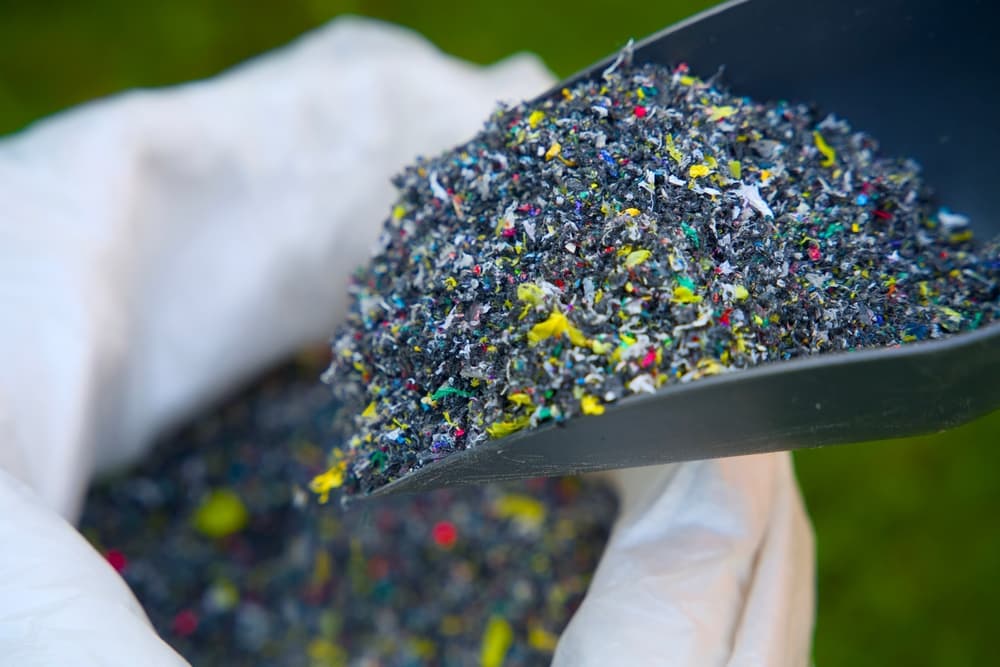
According to the UN Environment Programme, the world produces more than 400 million tons of plastic waste every year, yet globally we recycle less than 10%. Meanwhile, plastic production continues to rise, and traditional recycling systems are struggling to keep up, especially as contamination rates increase and mechanical recycling reaches its limits.
This widening gap has accelerated the push for advanced environmental recycling solutions, including AI sorting, enzymatic recycling, and chemical recycling advancements. These new technologies are reshaping how recyclers, manufacturers, and material suppliers approach plastics, creating more efficient pathways toward a circular system.
We’ll break down the most promising developments in next-generation recycling, from robotics-powered sorting to molecular-level plastic breakdown, and what they mean for the future of sustainable material supply.
Why Innovation in Plastic Recycling Is Essential
Global plastic production is expected to nearly double by 2040, but recycling infrastructure hasn’t scaled at the same pace. Contamination levels, such as food residue, mixed materials, and difficult-to-sort packaging, further reduce the amount of plastic that can be successfully recycled. Standard mechanical recycling also has limitations, including material degradation and reduced performance after multiple cycles.
Meanwhile, brands and manufacturers face growing expectations to increase the recycled content in their products, which puts pressure on recyclers to deliver cleaner, higher-quality materials. Environmental concerns, regulatory drivers, and the economic need for more efficient systems all reinforce the urgency for advanced recycling technologies.
AI and Machine Learning Transforming Plastic Sorting
AI-powered sorting systems have emerged as one of the most transformative advanced environmental recycling technologies in the industry. These systems rely on high-speed cameras and near-infrared (NIR) sensors to identify resin types, colors, shapes, and contaminants in a fraction of a second. Machine learning models, trained on millions of images, continually improve their accuracy, allowing sorting facilities to process diverse and complex waste streams with far greater precision.
Robotic arms then handle the physical sorting, operating at speeds and consistency levels that surpass manual labor, which helps reduce workforce shortages and improve overall plant efficiency.
Benefits of AI Sorting
- Significantly improves purity levels, boosting the value and usability of recycled plastics
- Reduces labor shortages, as robots handle repetitive tasks
- Processes contaminated or mixed waste streams more effectively
- Increases throughput, helping MRFs meet growing demand
Industry Adoption
This technology is reshaping recycling because it significantly boosts purity rates, expands the range of acceptable materials, and increases throughput. It helps facilities handle highly mixed or contaminated waste, streamlines operations, and unlocks higher recovery rates that were previously unachievable.
Many modern material recovery facilities are now integrating AI-driven robots or combining deep-learning systems with NIR technology to achieve faster, cleaner, and more profitable sorting operations.
Enzymatic Recycling: Breaking Plastics Down at the Molecular Level
Enzymatic recycling is one of the most exciting breakthroughs in circular plastics technology. This method uses engineered enzymes to break plastic polymers down into base monomers, which can then be rebuilt into new, high-quality plastics.
Why It’s a Breakthrough
- Operates at lower temperatures, reducing energy usage
- Can process highly contaminated or colored plastics
- Produces near-virgin-quality output, ideal for bottle-to-bottle or food-grade applications
- Helps solve the limitations of mechanical recycling, particularly for PET and PLA
Key Developments in the Field
As these technologies scale, enzymatic recycling could dramatically expand the volume and quality of recycled plastics available to manufacturers.
- Faster, more resilient PET-degrading enzymes
- Combined biological + chemical processes, referenced in Polynext research
- New enzyme formulations capable of targeting multiple polymer types
Chemical Recycling: Pyrolysis, Solvolysis, and Depolymerization
Chemical recycling breaks plastics down far beyond the capabilities of mechanical processes.
Pyrolysis
- Converts mixed or contaminated plastics into oils and fuels
- Works for plastic mechanical recycling cannot process
- Supports future circular feedstock production
Solvolysis
- Uses solvents to dissolve and separate polymers
- Produces high-purity monomers suitable for new manufacturing
Depolymerization
- Reverses polymer chains into their original monomers
- Enables truly circular recycling loops for PET, nylon, and other polymers
Why Chemical Recycling Matters
By breaking polymers back down into their molecular building blocks, chemical recycling produces outputs that are comparable to virgin materials, allowing manufacturers to create high-performance products with recycled content. This approach supports a truly circular system, increases overall recovery rates, and helps reduce waste that would otherwise end up in landfills or incinerators.
Advancements in Mechanical Recycling
Even though mechanical recycling is the most established method, the technology behind it is evolving rapidly. Modern systems now include improved washing processes that remove more contaminants, advanced shredders and extruders that enhance consistency, and melt-filtration systems capable of producing cleaner, more uniform pellets.
Additive technologies also help eliminate odors and boost the performance of recycled resins. These advancements allow recyclers to accept more post-consumer materials, reduce defect rates, and produce higher-quality pellets that meet the needs of today’s manufacturers.
Next-Gen Materials and Bioplastics
The shift toward next-generation materials is another important development in the push for a circular plastics economy. Biodegradable and compostable plastics have become more common, although they bring challenges related to proper sorting and processing.
Biodegradable & Compostable Plastics
- Improved formulations with clearer composting standards
- Better compatibility with AI sorting and specialized systems
Bio-Based Plastics
- Drop-in replacements for familiar plastics like PET and PE
- Reduce dependence on fossil feedstocks
- Compatible with many recycling processes
Hybrid Systems
AI sorting + enzymatic processing may enable future hybrid recycling streams, maximizing recovery across all plastic types.
What These Innovations Mean for Manufacturers and Industrial Buyers
For manufacturers, recyclers, and industrial buyers, these technological advancements translate into clearer long-term advantages. Companies can expect more consistent access to high-quality recycled resins, giving them the ability to meet sustainability goals and respond to increasing regulatory demands.
Improved recycling processes also strengthen the circular economy by lowering landfill waste, reducing carbon emissions, and cutting overall material costs. As recycling becomes more efficient and capable of handling diverse feedstocks, buyers gain greater confidence in supply reliability, which supports more sustainable product development and long-term operational planning.
How TradePro Supports Modern Recycling and Sustainable Material Supply
The shift toward advanced recycling technologies is reshaping how industries source, process, and reuse plastic materials. As manufacturers push for cleaner production cycles and higher recycled content, reliable access to quality materials becomes essential, not optional.
At TradePro, we supply high-performance resins, additives, and material solutions that allow recyclers and manufacturers to adopt next-generation processes with confidence. By supporting facilities that integrate AI sorting, enzymatic recycling, and improved mechanical systems, we ensure that innovative technologies translate into real, scalable output.
Looking to explore modern plastic solutions? TradePro can help. Contact us today, and let’s work towards a better future.
FAQ
How does AI sorting improve recycling?
It increases purity, reduces labor strain, and processes mixed waste more efficiently.
What plastics can enzymatic recycling break down?
Primarily PET and PLA, with research expanding into other polymers.
Is chemical recycling environmentally friendly?
When powered by clean energy and efficient systems, chemical recycling significantly expands circular potential.
What innovations improve mechanical recycling?
Better washing, filtration, additives, and extrusion technology.
How will new recycling technologies affect manufacturers?
They increase access to higher-quality recycled materials while reducing long-term environmental impact.