
Manufacturers evaluating material choices often compare recycled with virgin plastics to strike a balance between performance expectations, operational reliability, and long-term value. While cost is usually part of the discussion, material selection decisions typically involve a broader assessment of consistency, supply considerations, and alignment with production requirements.
This article provides a high-level cost-benefit analysis of recycled plastics versus virgin plastics, focusing on manufacturing needs, material consistency, and operational priorities, with insight from our team serving North Miami, Florida.
What Are Virgin Plastics and Recycled Plastics?
Virgin plastics are newly manufactured polymers produced directly from raw materials such as natural gas or petroleum. These materials are created through controlled industrial processes that result in uniform resin structures and predictable material properties. Virgin plastics are commonly used in applications where consistency, appearance, or tight manufacturing tolerances are important.
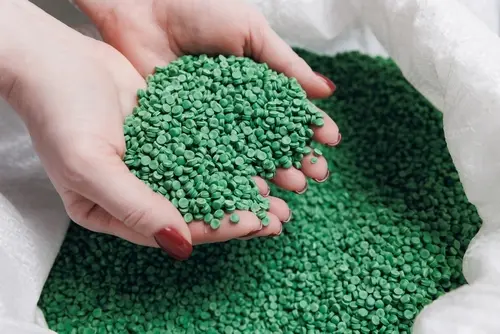
Recycled plastics are produced by reprocessing plastic waste collected from post-industrial or post-consumer sources. This material is cleaned, sorted, and reprocessed into usable resin or pellets that can be incorporated into new products. Recycled plastics are widely used across packaging, industrial components, construction materials, and consumer goods, depending on the quality and processing method.
How Do Performance and Quality Compare Between Virgin and Recycled Plastics?
From a performance perspective, virgin plastics are generally associated with higher consistency due to their controlled production environment. Manufacturers often rely on virgin resins when uniform strength, color, or flow characteristics are essential to the manufacturing process.
Recycled plastics can vary more in performance depending on the source material, sorting methods, and processing technology used. Advances in recycling systems have improved quality and reliability, but variability remains an important consideration for certain applications. For many manufacturing uses, recycled plastics are well-suited when performance requirements allow for some flexibility, while virgin plastics may be preferred for applications requiring highly predictable material behavior.
What Cost Factors Do Manufacturers Consider When Comparing Plastics?
When comparing recycled and virgin plastics, manufacturers typically evaluate total value rather than focusing on material price alone. Key cost-related considerations often include:
- Material consistency and process stability
- Waste generation and rework
- Production efficiency impacts
- Supply reliability considerations
- Compatibility with existing equipment
These factors are usually assessed together to understand how each material option fits within broader manufacturing operations and long-term planning goals.
How Does Supply Chain Stability Differ Between Virgin and Recycled Plastics?
Supply chain stability plays a significant role in manufacturing planning. Virgin plastics are produced through established industrial supply chains with controlled output, which can support predictable material availability. This structure allows manufacturers to align procurement closely with production schedules.
Recycled plastics rely on collection, sorting, and processing systems that can introduce variability in feedstock availability. While recycling infrastructure continues to improve, manufacturers often account for this difference when evaluating sourcing strategies. Understanding how each material fits into production planning helps manufacturers manage inventory, scheduling, and long-term operational needs more effectively.
What Role Does Sustainability Play in Material Selection?
Sustainability is increasingly considered alongside performance and operational needs when manufacturers evaluate plastic materials. Common sustainability-related factors include:
- Environmental impact across the material lifecycle
- Material efficiency
- Compatibility with circular manufacturing models
- Alignment with internal sustainability objectives
- Long-term resource considerations
Rather than serving as a single deciding factor, sustainability is typically integrated into a broader material evaluation framework that balances environmental and operational priorities.
What Does Industry Research Say About Plastics in Manufacturing?
According to the EPA, recycling and reuse of materials, including plastics, conserve natural resources and reduce greenhouse gas emissions by cutting down the energy required to extract and process raw materials. For example, recycling just 10 plastic bottles saves enough energy to power a laptop for more than 25 hours. The EPA notes that recycling reduces energy use and emissions compared to manufacturing products from virgin materials, highlighting why manufacturers weigh material choices across performance, efficiency, and sustainability considerations
How Can Manufacturers Evaluate the Right Plastic for Their Applications?
Manufacturers typically evaluate plastic materials by aligning material properties with production requirements and end-use expectations. This process often includes assessing how a material behaves during molding or extrusion, how it affects cycle times, and how it performs within the finished product.
Rather than seeking a universally “better” option, manufacturers benefit from evaluating plastics within the context of their specific applications. Considering factors such as tolerances, durability needs, and production constraints allows decision-makers to determine which material type best supports long-term operational goals.
How Do We Support Manufacturers in Choosing Plastic Materials?
At Tradepro, we support manufacturers by helping them evaluate plastic material options based on application requirements, product design considerations, and supply factors. Our role is to provide information that supports informed decision-making, whether a manufacturer is exploring virgin plastics, recycled materials, or a combination of both. We work with a broad range of plastic products and materials, allowing manufacturers to assess options that align with their production needs.
Where Can Manufacturers Learn More About Plastic Product Options?
Manufacturers interested in exploring plastic product options can start by reviewing available materials and identifying questions related to their specific applications. Learning more about material characteristics and supply considerations can help guide future production planning.
If you’re exploring plastic material options or have questions about what might work best for your application, we’re here to help. Reach out to our team to talk through your needs and next steps.
Comparing recycled plastics and virgin plastics requires a balanced understanding of performance considerations, supply dynamics, and long-term operational value. By evaluating these factors together, manufacturers can make informed material decisions that align with production goals, planning needs, and broader business priorities.