The U.S. Environmental Protection Agency reports that recycling and composting avoided over 193 million metric tons of CO₂-equivalent emissions in a single year, underscoring the powerful environmental impact of circular material systems. Source:
Circular economy plastics play a critical role in reducing emissions, conserving resources, and reshaping how industries manage materials. By keeping plastics in continuous use through closed loop recycling, manufacturers can dramatically reduce reliance on virgin resin while minimizing long-term waste.
As industrial plastic consumption grows, circular systems are becoming essential for managing large-scale plastic waste streams responsibly. Instead of following a linear “make, use, dispose” model, circular strategies focus on recovering, reusing, and reintegrating materials into production.
This approach is particularly important for coastal communities such as Miami and other Central America countries, where proximity to waterways increases awareness of plastic pollution and long-term environmental resilience. Many organizations are now seeking partners aligned with sustainability-first material strategies, including programs like the Tradepro sustainability initiative, which supports responsible sourcing and circular reuse across global supply chains.
What Are Circular Economy Plastics and Why Do They Matter?
Circular economy plastics are materials designed to remain in productive use for as long as possible through reuse, reprocessing, and recycling. Instead of becoming industrial plastic waste after a single lifecycle, these plastics are collected, refined, and reintroduced into manufacturing systems.
Closed-loop recycling is a core component of this approach. In a closed-loop system, recovered plastics are processed back into raw material that can be used for similar or identical applications, preserving material value and performance over time.
By adopting circular economy plastics, manufacturers significantly reduce industrial plastic waste, conserve energy, and lower greenhouse gas emissions. These systems also help stabilize material supply chains by decreasing dependence on fluctuating virgin resin markets.
What Challenges Affect Circular Economy Plastics in Local Environments?
Despite their benefits, circular plastic systems face several practical challenges. Contamination remains one of the most common obstacles, as mixed materials or improper sorting can limit recyclability and reduce material quality.
Low recovery rates also affect the availability of recycled plastics, particularly in regions where collection infrastructure is still evolving. Coastal environments often draw additional attention to plastic recovery due to heightened exposure risks and public concern around marine pollution.
Across many counties, recycling programs continue to improve through better education, upgraded facilities, and stronger partnerships between public and private sectors. These efforts are steadily increasing access to viable circular economy plastics without overwhelming local systems.
Is Your Business Ready for Circular Economy Plastics?
Many organizations are already positioned to benefit from circular material strategies. Businesses facing growing sustainability expectations from customers or regulators often find recycled content essential for staying competitive.
Internal ESG or CSR goals frequently include targets for recycled material usage, carbon reduction, or waste diversion. Circular economy plastics help support those benchmarks while maintaining production efficiency.
Companies managing high volumes of industrial plastic waste may also discover opportunities to reclaim and reuse materials within closed-loop systems. In addition, evolving packaging or material standards often require modernization that aligns naturally with the integration of recycled plastic.
How Do Recycled Plastics Strengthen Closed Loop Recycling Systems?
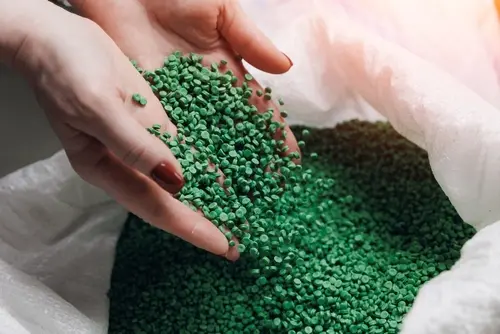
Recycled plastics strengthen closed loop recycling by re-entering productive use as high-quality raw materials rather than being downcycled or discarded. Through careful processing and quality control, recycled plastics can meet demanding industrial specifications.
These materials reduce industrial plastic waste by replacing virgin inputs while keeping valuable polymers in circulation. Over time, this approach supports long-term sustainability goals by lowering emissions, conserving natural resources, and creating more resilient supply chains.
Closed loop recycling systems also promote consistency, allowing manufacturers to plan production around reliable recycled material streams instead of volatile raw material markets.
Where Can Businesses Get Circular Economy Plastics in North Miami, FL?
Businesses seeking circular economy plastics in North Miami can benefit from working with experienced suppliers that understand both sustainability goals and industrial performance requirements. Tradepro supports organizations looking to reduce industrial plastic waste while strengthening closed loop recycling systems.
Through responsible sourcing, global logistics, and consistent material quality, Tradepro helps manufacturers integrate recycled plastics seamlessly into existing operations.
Company Block: How We Support Circular Economy Plastics
We help businesses strengthen their circular systems by supplying recycled plastics designed for closed loop recycling applications. Our team works closely with manufacturers to match material performance with sustainability objectives.By supporting reduced industrial plastic waste and promoting circular reuse, our sustainability program enables long-term environmental and operational benefits. Ready to explore how circular economy plastics can support your sustainability goals? Contact our team to learn how we help businesses reduce industrial plastic waste and strengthen closed loop recycling systems.